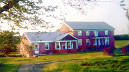
 Rainham Builders

Notes
Matches 4,601 to 4,650 of 5,562
| # | Notes | Linked to |
|---|---|---|
| 4601 | Christian Shaub, settled in Strasburg (Lanc.) Pa.; assistant to Bishop Jacob Neff, in the New Providence district; dates not given; Mennonite. | Shoup (Schaub), Minister Christian (I23530)
|
| 4602 | Composite Record of Abraham Hoover, Middle Paxton Township, Dauphin County, PA ca 1775, birth in what is now East Hanover Township, Dauphin County. At that time, this area was still part of Lancaster County. ca 1796, married Catherine in Derry Township, Dauphin County, PA. Derry still included East, West and South Hanover Township at this time. 1800 Census: Abraham Hoover and his wife and two children lived in Derry Township, Dauphin County. 1810 Census: Abraham and Catherine Hoover living in Middle Paxton Township, Dauphin Count, with six children. 1820 Census: Abraham and Catherine Hoover, living in Middle Paxton Township, with eight children. 1830 Census: Abraham and Catherine Hoover living in Middle Paxton Township, with two children. 1860 Census: Abraham and Catherine Hoover, living in Middle Paxton Twp., only two at home. He being 82 years old and she 82 years old. Both Abraham and Catherine must have died within the next ten years. . | Hoover Sr., Abraham (I24051)
|
| 4603 | Composite Record of Elizabeth Duey Hoover (1809-1893) 1809, 1 May, Elizabeth Dewey, born to Emanuel and Mary (Bretz) Duey, Dauphin County, PA. ca 1830, married George Hoover of Middle Paxton Twp., Dauphin County, PA Ten children born in Dauphin County, PA. 1893, 28 Feb, death in Lower Paxton Twp., Dauphin County, PA. 1893, Burial in the Paxton German Baptist (Dunkard) cemetery. Note: One of Elizabeth's children's death certificate claims Elizabeth was born in England. Her family must have come from England, but she was born in Dauphin County, PA. | Duey, Elizabeth (I23781)
|
| 4604 | Composite Record of Elmira Rhodes Hoover (ca 1845-before 1871) ca 1845, Elmira Rhodes, born to Joseph and Ellen (Kraul) Rhodes, Hopewell Township, Cumberland County, PA 1865, 23 Feb., married John H. Hoover of Frankling County, PA. Elmira (also written Almira) was considerably younger than John H. Hoover. She did not live long and had departed to meet the Lord before 1871. There was no known issue of this marriage, although she might have died in childbirth. Death before 1871, presumably in Franklin County, Pennsylvania. By that year, 1871 John H. Hoover remarried Emily C. Matthews. . | Rhodes, Elmira (I23776)
|
| 4605 | Composite Record of Emily Matthews Hoover 1845, 2 Aug, birth at Leesburg, Southampton Township, Cumberland County, PA., daughter of James and Emily (Early) Matthews. 1850 Census. Emily C. Matthews, aged 3, living with her parents, James and Emily (Early) Matthews at Leesburg, Cumberland County. 1869 Census. Emily C. Matthews, aged 15, living with her parents at Leesburg, Cumberland County, PA. 1871, married John H. Hoover of Greenvillage, Franklin County, PA. -- 1900 Census Record. 1871, resident of Greenvillage, Greene Township, Franklin County, PA. 1890 Census. Resident of Chambersburg, Franklin County, PA, at Frederick and King Street. 1905, 11 March, death and subsequent burial at the Cedar Grove Cemetery, Chambersburg, Pennsylvania. . | Matthews, Emily C. (I23777)
|
| 4606 | Composite Record of George Hoover, Lower Paxton Twp, Dauphin County, PA 1809, 4 May, George Hoover born to Abraham and Catherine Hoover. Death record says he was born at Hanoverdale, Dauphin County, PA. Early 1800s, lived at Fishing Creek, Middle Paxton Twp., Dauphin County. ca 1830, George Hoover married Elizabeth Dewey, immigrant from Great Britain. 1850 Census. George Hoover, aged 40, (shoemaker) and Elizabeth Hoover ages 40, with children John H. (shoemaker) age 19, William l7, David 14, Sarah Ann 11, Samuel 8, Mary 4. Residence in Middle Paxton Township, Dauphin Co., Pa. Baptised and member of the German Baptist (Dunkard) congregation at Fishing Creek, Middle Paxton, and later of the Paxton German Baptist congregation in Lower Paxton Twp., Dauphin County, PA. 1858, resident in Lower Paxton Township, Dauphin County -- Map of Dauphin County, 1858 1862, 11 July, death of George Hoover, Lower Paxton Twp. Dauphin County, PA. 1862, Burial at the Paxton German Baptist Cemetery. . | Hoover, George (I23780)
|
| 4607 | Composite Record of Heinrich Roedt, the Elder Heinrich RHOADT d: 1748 Also known as "The Elder." Heinrich and his wife Katherina (Koebel) Rhoedt arrived at Philadelphia on 31 October 1737 on the ship William, under the direction of Captain John Carter. They came with two married sons, Heinrich Rhoedt Jr. and Daniel Rhoedt, and at least six more siblings. A number of grandchildren were also included in the group, and the entire family, of Swiss German background, belonged either to the Evangelical Protestant Church of southern Germany, or possibly to the Anabaptist movement. But in America, a great changes awaited them. After their arrival at Philadelphia, the Rhoedt family apparently spent a period of time at Germantown, just outside of Philadelphia. Was it here that they first encountered the spiritually renewed currents and sects of Pennsylvania? No doubt. We have no written record of exactly what happened but within a number of years the Rhoedt families were deeply involved in the awakening taking place amongst the Dunkards (German Baptists) at Germantown and particularly along the Cocalico Creek in Lancaster County, Pennsylvania. Heinrich and Katherina Roedt, with their children, moved to the Cocalico settlement, by now known as Ephrata, led by truly remarkable brothers Conrad Beissel, Peter Müller and others. The core group of this Dunkard congregation was communal, celibate, and Sabbatarian. But a good number of other families lived around the community as kindred spirits, and supporting members. In 1764, under the blessing of the Ephrata community and under the direction of Conrad Beissel and Georg Adam Martin, another newly awakened Dunkard fellowship group took shape along the Antietam Creek, not far from what is now Waynesboro, Pennsylvania. A good number of brothers and sisters from Ephrata, including the Rhoedt families, also moved to the Antietam area. The Schneeberg (Snow Hill) community took shape there. The Rhoedt families found new homes in what is now Franklin and Cumberland Counties in Pennsylvania, and after a number of years Georg Adam Martin led another group of pioneers further west into what is now the Brothersvalley area of Somerset County, Pennsylvania. A number of the Roedt descendants followed and became key members of the Dunkard work there. At the same time, Johannes Roedt (later identified as John Rhoads or Rhodes), remained in Franklin County, living west of Mount Rock on the turnpike. Franklin County, Pennsylvania, at that time, was still part of Cumberland County. Heinrich and Katherina (Koebel) Roedt apparently followed their children and grandchildren into the new Brothersvalley settlement and are presumed to be buried at the Rhodes cemetery in Black Township, Somerset County, Pennsylvania. Rhodes descendants, of this family, continue to flourish and multiply in Cumberland, Franklin and Somerset Counties in Pennsylvania, Washington County in Maryland, and above all, in Rockingham County in Virginia. Sources include: The extensive histories of the Ephrata and Snow Hill German Baptist communities, the Rhoads Family Genealogy by Al Rhods, and the book Henry Rhoads Senior: Immigrant and His Earliest Descendants, by Marie L. Engle, Salisbury, MD, 1997. . | Roedt, Heinrich (I24102)
|
| 4608 | Composite Record of Jacob Rhodes, Cumberland County, PA 1749, 2 Nov, born in Lancaster County, PA 1775-1783, served in the Revolutionary army during the American Revolutionary War. Purchased property in what became North Newton Township, Cumberland County, PA. Married Barbara (family name unknown). Experienced a genuine Spiritual Awakening under the influence of the United Brethren in Christ. 1808 and afterwords, became collaborator with Christian Newcomer, circuit-riding from the Beaver Creek settlement of what is now Washington County, Maryland. 1816 -- Founded a fellowship of converts at his homestead in North Newton Township, eventually building a meetinghouse for the believers that became the Oakville United Brethren congregation. 1837, died in the Lord on 4 March, buried alongside his wife at the Old Roads Graveyard on his farm. . | Rhodes, Jacob (I24098)
|
| 4609 | Composite Record of James Matthews Hoover (1872-1935) 1872, 26 Aug, James Matthews Hoover born at Greenvillage, Franklin County, Pennsylvania, to John H. and Emily (Matthews) Hoover. Residence at Greenvillage in the house of the Methodist minister Wesley Howe. James M. Hoover's father, of a German Baptist (Dunkard) background, was a shoemaker, operating at home. His mother, Emily Matthews, came from Leesburg, Cumberland County, PA. 1878-1886 James attended the Greenvillage Public elementary School. Attendance of the Greenvillage Methodist Church (no longer standing but cemetery remains). 1887, James M. Hoover experienced the Grace of God, was converted as a fifteen-year-old and joined the Church. ca 1887-1890 Secondary Student at the Shippensburg Normal School (now Shippensburg University) Organisation of Young Men's Christian Association 1890, James M. Hoover and his family living at Frederick and King Street, Chambersburg, PA. Attendance at the King Street United Brethren in Christ congregation in Chambersburg, PA. Then, attendance and membership of St. Paul's United Brethren in Christ Church, Chambersburg, PA. James M. Hoover taught Sunday School and elementary school in Chambersburg, both African-American and white students. 1899, Commission of the Methodist Church to teach school at Penang, Malaysia. Travel to Penang in 1899. 1990-1902, 1,118 immigrants from the Chinese province of Fujian arrive to settle the Rajang Delta in Sarawak. They arrive in three shipments, led by the Christian scholar, Wong Nai Siong (1854-1932). 1903, James M. Hoover commissioned, in Singapore, to assist the Fuzhou colonists in the Rajang River delta of Sarawak. 1903, First trip to Sarawak. 1904, marriage with Mary Young in Penang, Malaysia. James M. Hoover becomes the representative to the British Colonial Government of the Fuzhou colonists. Major work with saw milling, setting up rice farms and mill, improving roads, introducing bicycles, electricity, an ice plant and more. Above all, James M. Hoover, worked with local Christian assemblies, facilitating their organisation, teaching, and interaction as Christian brothers and sisters. Extensive travels within Sarawak, and possibilities of more colonisation of Chinese settlers. 1936, Serious bout of malaria. 1935, 11 Feb, James M. Hoover died at Kuching, at the British hospital. Internment at the nearby St. Thomas Anglican cemetery. . | Hoover, James Matthews (I23778)
|
| 4610 | Composite Record of Johannes Huber, Swiss-German Immigrant to America, ca 1731 Note: The Huber family, although many descendants had lived for a number of years in southern Germany, from the mid-1600s to the mid-1700s were squarely of Swiss descent, mainly from Zürich, the Aargau and Schaffhausen. The name Huber is the Swiss German equivalent of the name Hofer in Austria -- i. e. a family in charge of a "Hube" or "Hof" (feudal rental arrangement), most commonly owned by Religious orders. If Johannes Huber was from Trippstadt in the western Pfalz, his family came from Zürcher Weinland, in the area of Pfungen, Embrach, Aesch and Neftenbach, north-east of the city of Zürich. ca 1731, 22 Apr, Johannes Huber may well have been the Johannes Huber, born in Trippstadt, in the German Kurpfalz. Further research is necessary to fully establish this relationship. 1749, 2 Oct, Johannes Huber arrived in Philadelphia on the Dutch ship, Jacob, from Rotterdam, under captain Adolf de Grow. The fact that he signed was accompanied by a group of other single men from Baden in Germany suggests he may have also have come from the eastern part of the Kurpfalz. 1751, Johannes Huber appears in the Dauphin County, Pennsylvania, Tax record, as a free man (without debt). 1758, Johannes Huber bought a property in what is now East Hanover Township, Dauphin County, PA. ca 1760, Johannes Huber marries Catherine (family name unknown) and settles in East Hanover Township. Johannes Huber may well have been a member of the Evengelical Lutheran or Reformed Church in Germany. But in Dauphin County he and his wife were baptised by trine immersion into the German Baptist (Dunkard) Church. Through this they became members of the Big Swatara German Baptist congregation. 1784, Johannes Huber wrote his will in Dauphin County. 1784, Sept., death and burial in East Hanover Township, Dauphin County, PA. . | Huber, Johannes (I24042)
|
| 4611 | At least one living or private individual is linked to this note - Details withheld. | Hoover, J.H. (I23775)
|
| 4612 | Composite Record of John Rhoads / Rohdes of Franklin County, PA ca 1722 Birth, evidently in the Mannheim area of Baden in southern Germany, under the rule of the Kurpfalz (Electoral Palatinate). 1737, 31 Oct, arrival at Philadelphia on the ship William under the direction of Captain John Carter. First lived with parents at the Cocalico settlement, Ephrata, Pennsylvania. ca 1745, marriage, but spouse unknown. Children, including Jacob Rhodes, names and dates unknown. 1762, 22 July, land purchase and settlement along the turnpike, east of Mount Rock in what is now Franklin County, PA. (Until 1784, part of Cumberland County, PA.) Death in Franklin County, PA. . | Rhodes, John (I24099)
|
| 4613 | Composite Record of Mary Rebecca Young (1883-1962) 1883, Mary Rebecca Young, born to Walter Reginald and Amelia Japonica (Towers) Young. 1892, Walter Reginald Young died. ca 1895, Amelia Japonica Towers married again to George Frederick Pykett, missionary in Penang, Malaysia. 1902, Mary Young Hoover first visited Sarawak. 1904, March, marriage in Penang, Malaysia, with James M. Hoover, missionary of Sarawak. 1904, April, James and Mary (Young) Hoover arrived at Sarawak and began house-keeping at the Sg Merah settlement in the Rajang Delt. 1905, James and Mary (Young) Hoover, moved into the town of Sibu. 1913 Mary Young Hoover founded the Yuk Ing Girl's School in Sibu. 1930 Mary Young Hoover founded a girl's secondary school in Sibu. 1935, 11 Feb, James M. Hoover died in Kuching from malaria. 1936, Mary Young Hoover moved to Singapore. 1946, 15 June, Mary Young Hoover returned to Sibu in Sarawak to resume her guidance of the Yuk Ing School. 1947, Mary Young Hoover returned to Singapore, and not long afterwards, she moved to Perth, Australia, where she lived with her brother, Robert Guy Young. Altogether, Mary Young Hoover spent 34 years in Sarawak. 1962, 4 Aug, Mary Rebecca Young Hoover departed to meet the Lord in Perth, Australia. 1962, Burial at the Karrakatta Cemetery in Perth, Australia. . | Young, Mary Rebecca "May" (I23787)
|
| 4614 | Cumberland County, Quarter Session Docket 4 1768-1772 John Rhoades being three times solemnly called appears not, therefore his recognizance forfeited. Pg. 69. [Obviously, suggesting that John Rhoedes was no longer living.] . | Rhodes, John (I24099)
|
| 4615 | Daniel Hoover Daniel Hoover, manufacturer of laundry and toilet soaps, north of the river, residence, Wyandot street; is a native of Franklin Co., and was born July 9, 1828; when 13 years of age, come to Ohio, and came to Ogle Co., Ill., in 1857; he came to this county in 1865. Just after coming here, he enlisted in the 15th I.V.I.. Co. C., and served until the close of the war. In the spring of 1866, he established the soap business in a small way, gathering his grease with a wheelbarrow; he has continued in the business since then, and has built up a good trade; his factory was burned Jan. 28, 1880; he immediately rebuilt, and it was again destroyed by fire on Feb. 20, 1880; he has since rebuilt, and is in running order, and manufacturing 25,000 pounds monthly; he also carries on the rendering business. Mr. Hoover married Miss Rebecca Kirk, a native of Stark Co., Ohio, Sept. 22, 1853; they have seven children - Albert M., Cora A., Willis C., Frank E., Clara V., George W. and Myrtle. Contributed by Karen Fyock - Tilden's Stephenson County History 1880 . | Hoover, Daniel (I23137)
|
| 4616 | Data from Census Records, Cumberland County, PA 1850 Census Name: James Matthews Age: 36 Birth Year: abt 1814 Home in 1850: Southampton, Cumberland, Pennsylvania, USA Gender: Male Family Number: 232 Household Members: Name Age James Matthews 36 Emily Matthews 36 Sarah Jane Matthews 11 Rachel E Matthews 9 Mary A Matthews 7 Emily C Matthews 3 Anna A Matthews 1 Sarah Earley 80 1860 Census Name: James Matthews Age: 48 Birth Year: abt 1812 Gender: Male Birth Place: Pennsylvania Home in 1860: Southampton, Cumberland, Pennsylvania Post Office: Shippensburg Family Number: 160 Value of real estate: View image Household Members: Name Age James Matthews 48 Sarah Matthews 20 Rachel Matthews 19 Mary Matthews 17 Emily Matthews 15 Anna Matthews 10 John Matthews 9 Helen Matthews 6 Thomas Matthews 4 1870 Census Name: James Matthews Age in 1870: 57 Birth Year: abt 1813 Birthplace: Pennsylvania Home in 1870: Southampton, Cumberland, Pennsylvania Race: White Gender: Male Post Office: Shippensburg Value of real estate: View image Household Members: Name Age James Matthews 57 Emma Matthews 25 Helen Matthews 16 John Matthews 20 . | Earley, Emily (I24068)
|
| 4617 | Data from Census Records, Cumberland County, PA Note: Some ages of the children in these Census records are not accurate. The record (above) has been verified through cemetery records and the Hoen/Mueller/Covington/Jones database owned by Ray Maurice Hoen, Ancestry.com. 1850 Census Name: James Matthews Age: 36 Birth Year: abt 1814 Home in 1850: Southampton, Cumberland, Pennsylvania, USA Gender: Male Family Number: 232 Household Members: Name Age James Matthews 36 Emily Matthews 36 Sarah Jane Matthews 11 Rachel E Matthews 9 Mary A Matthews 7 Emily C Matthews 3 Anna A Matthews 1 Sarah Earley 80 1860 Census Name: James Matthews Age: 48 Birth Year: abt 1812 Gender: Male Birth Place: Pennsylvania Home in 1860: Southampton, Cumberland, Pennsylvania Post Office: Shippensburg Family Number: 160 Value of real estate: View image Household Members: Name Age James Matthews 48 Sarah Matthews 20 Rachel Matthews 19 Mary Matthews 17 Emily Matthews 15 Anna Matthews 10 John Matthews 9 Helen Matthews 6 Thomas Matthews 4 1870 Census Name: James Matthews Age in 1870: 57 Birth Year: abt 1813 Birthplace: Pennsylvania Home in 1870: Southampton, Cumberland, Pennsylvania Race: White Gender: Male Post Office: Shippensburg Value of real estate: View image Household Members: Name Age James Matthews 57 Emma Matthews 25 Helen Matthews 16 John Matthews 20 . | Matthews, James (I24067)
|
| 4618 | Dauphin County, Pennsylvania, Census Records Abraham Hoover Sr., 1800 Census, Derry Twp Name: Abraham Hoover Home in 1800 (City, County, State): Derry, Dauphin, Pennsylvania Free White Persons - Males - Under 10: 1 Free White Persons - Males - 26 thru 44: 1 Free White Persons - Females - Under 10: 1 Free White Persons - Females - 26 thru 44: 1 Number of Household Members Under 16: 2 Number of Household Members Over 25: 2 Number of Household Members: 4 Abraham Hoover Sr., 1810 Census, Middle Paxton Twp Name: Abraham Hoover Home in 1810 (City, County, State): Middle Paxton, Dauphin, Pennsylvania Free White Persons - Males - Under 10: 2 Free White Persons - Males - 10 thru 15: 2 Free White Persons - Males - 26 thru 44 : 1 Free White Persons - Females - Under 10: 2 Free White Persons - Females - 26 thru 44: 1 Number of Household Members Under 16: 6 Number of Household Members Over 25: 2 Number of Household Members: 8 Abraham Hoover Sr., 1820 Census, Middle Paxton Twp Name: Abraham Hoover Home in 1820 (City, County, State): Middle Paxton, Dauphin, Pennsylvania Enumeration Date: August 7, 1820 Free White Persons - Males - Under 10: 3 Free White Persons - Males - 10 thru 15: 2 Free White Persons - Males - 16 thru 25: 1 Free White Persons - Males - 26 thru 44: 1 Free White Persons - Females - Under 10: 1 Free White Persons - Females - 16 thru 25: 1 Free White Persons - Females - 45 and over : 1 Number of Persons - Engaged in Agriculture: 1 Free White Persons - Under 16: 6 Free White Persons - Over 25: 2 Total Free White Persons: 10 Total All Persons - White, Slaves, Colored, Other: 10 Abraham Hoover Sr., 1830 Census 1830, Middle Paxton Twp Name: Abraham Hoover Senior Home in 1830 (City, County, State): Middle Paxton, Dauphin, Pennsylvania Free White Persons - Males - 15 thru 19: 2 Free White Persons - Males - 50 thru 59: 1 Free White Persons - Females - 50 thru 59: 1 Free White Persons - Under 20: 2 Total Free White Persons: 4 Total - All Persons (Free White, Slaves, Free Colored): 4 Abraham Hoover Sr., Census 1860, Middle Paxton Twp Name: Abraham Hoover Age: 82 Birth Year: abt 1778 Gender: Male Birth Place: Pennsylvania Home in 1860: Middle Paxton, Dauphin, Pennsylvania Post Office: Dauphin Family Number: 155 Value of real estate: View image Household Members: Name Age Abraham Hoover 82 Catherine Hoover 83 . | Hoover Sr., Abraham (I24051)
|
| 4619 | David Hoover, Dauphin County David Hoover, another son of George and Elizabeth (Dewey) Hoover died in the Dauphin Almshouse. -- From Death Certificate | Hoover, David (I23783)
|
| 4620 | David Price In or about 1757 in the Genesse Valley, NY State, two small brothers were gathering hickory nuts, one fall day. A group of Indians came upon them. One of the boys panicked and ran crying, He was scalped immediately, and left there. Another, DAVID PRICE, who remained calm was taken, and adopted and lived as an Indian until he was nearly 20 years old. Usually he slept between 2 Indians. One night he had only 1 bed mate. As he had often had visions of becoming a white man again, on this night he escaped. He found his way to Niagara, where he was able to give a good account of himself, Later he was employed by the authorities as a guide and interpreter and an intermediary for the new settlers. He spent his later life in CROWLAND, and held a large tract of land where the City of Welland, now stands. Attorneys searching for an heir to a large estate in Britain came to a dead end with David Price. Except for his own recognizance, he had no definite proof of his ancestry, the fate of his parents could not be traced. They were of Welsh ancestry. David Price married MARGARET GONDER, Dau. of Michael Gonder who came to Canada in 1787. All are buried on the original Gonder farm, near Welland,, Later the STONER farm. David Price died February 26 1841, aged 91 years. From Dee . | Price, David (I1078249)
|
| 4621 | At least one living or private individual is linked to this note - Details withheld. | Hoover, D.M. (I1126492)
|
| 4622 | DR. JOHN B. HERSHEY was born in the township of Bertie in 1816. His father Benjamin, a native of Lancaster County, Pennsylvania, was born Nov. 14th, 1776, came to Canada with the grandfather of our subject-also named Benjamin-in 1795, who brought with him his family of five sons named Christian, Abram, Henry and John and settled on the Niagara River, about four miles below the International Bridge. The ancestry dates back to Switzerland, where in 1702, Andrew Hershey was born. He had to leave his native land on account of being persecuted for his religion. This noble young man, not being willing to forego his convictions of conscience, chose rather to leave his native land and for a time took up his abode on the banks of the River Rhine, in France. From there, in 1719, he came to America and settled in Lancaster County, Pennsylvania, where, for two or three generations, the descendants lived. In 1795, as previously stated, Benjamin, the Grandfather, immigrated to Canada, bringing with him his family of five sons. Dr. John B. our subject, is largely self-educated, and from extensive reading and close application to study he qualified himself for the practice of curing the disease of cancer. His success in this direction has gained for him wide popularity, so much so that people from different states of America and provinces of Canada are continually consulting him in regard to that dread disease. His son, John B. Hershey, educated in the institutions of Canada and the United States, received his license to practice medicine and is now located in the City of Buffalo. He is associated with his father in the special treatment of cancer. . | Hershey, John B. (I1132359)
|
| 4623 | Early Families of Frederick County Maryland and South Central Pennsylvania by Steve Gilland states that Daniel is buried at Graceham (Gnadenheim), Frederick County, Maryland. | Hoover, Daniel (I25219)
|
| 4624 | Edgar DeWitt Drake was a wonderful artist, a painter of considerable talent. Born in Dunnville, Ontario on August 31, 1884, he moved to Toronto in about 1908, then to Fort William from 1913 until 1920 when he returned to Toronto. He was a working man (printer and ad compositor at the Toronto Telegram) until the mid 1950's but painted nearly his whole life. He had formal art training in Boston, also at the Buffalo School of Art and the Art Student League in New York. He died January 06, 1978 and was buried with his wife Mary Edith (died December 12, 1960) in Mount Pleasant Cemetery in Toronto. They had one daughter, Stella Mabel Drake, born August 01, 1916. In 1959 she married the minister and evangelist Ernest Crossley Hunter (son of the famous travelling evangelist John Hunter). Stella died about 2001. | Drake, Edgar DeWitt (I1129123)
|
| 4625 | Evangelical Visitor, 15 April 1895 Dear Editor: I thought I would write a few lines for the Visitor, and for little folks to read, as I am a little girl eight years old. This is the first time I have written for the Visitor. I have my home at J. W. Hoover?s, South Cayuga, Ont. I came here five years ago. My mother died when I was two years old. After that I went to my grandma?s and stayed there one year. Since that I have stayed here. I have six brothers and six sisters. I like my home here. I go to Sunday school and to day school, and my studies are spelling, reading and arithmetic. I like to read the letters in the Visitor. My Pa Hoover preaches for the Brethren. He is away from home a great deal and ma and I stay at home. Sometimes ma goes along with him, and then I go to grandma?s till they return. I love to go to meetings and prayer meetings and hear of Jesus, and tell what the Lord does for me. I hope when I die I will go to heaven. I will close for this time. JESSIE HOOVER. South Cayuga, Ont., March 11, 1895. Evangelical Visitor, June 1, 1895 FROM A MOTHERLESS CHILD. Dear Editor: I will try and write a few lines for the Visitor and for little folks to read. This is the second letter I have written for the Visitor. My home is still with J. W. Hoover, South Cayuga, Ont. I stayed with my grandma this winter for four months while pa and ma Hoover were away to do union work, and when they came home they brought me here again. Since then my grandma died. She died on the 16th of April and was buried on the 18th at Rainham Centre, services in the Baptist church conducted by Rev. J. Trikey, assisted by J. W. Hoover. It seems so sad that I have no mother nor grandma any more. But I like my home here. I go to Sunday School to learn of Jesus. I hope more little girls will write in the Visitor, and especially those that have lost their ma and pa. But God will provide for his children if we only trust him. I want to be an angel and with the angels stand, A crown upon my forehead, a harp within my hand. JESSIE HOOVER . | Cooper, Jessie M. (I24588)
|
| 4626 | Excerpt from C. F. Berkheimer, Harrisburg District History Our present missionaries in Sarawak, the Charles Roots, are now building on the foundation laid by "Jim" Hoover of Chambersburg, another of the greats in Methodist missionary history. He was a layman, a volunteer, and an extraordinary servant of the Master among the so-called head-hunters in Borneo. He organized Chinese colonists in Sarawak into classes, taught them agriculture, and led them to Christ. He died and is buried there, where he literally gave his life. Bishop Titus Lowe, in charge of the work in Malaysia, told me that when Jim Hoover was buried it was in the rainy season and his body was lowered into its grave while it was overflowing with water. . | Hoover, James Matthews (I23778)
|
| 4627 | Family Record by Thomas Brick, in Find-a-Grave http://www.findagrave.com/cgi-bin/fg.cgi?page=gr&GRid=91603159 . | Brick, Peter (I23910)
|
| 4628 | Franklin Repository, March 08, 1865 (Column 4) Marriage Summary: On February 23, at the home of the bride's father, by Rev. [Wesley] Howe, John Hoover, of Greenvillage married Elmira Rhodes, of Hopewell Township, Cumberland County, Pennsylvania. . | Rhodes, Elmira (I23776)
|
| 4629 | From "Memoirs Garden" by Annie (Shoup) Brewe, a passage written by Rev. Willis Shoup: Before writing Grandfather's life, it might be stated that two brothers of his grandfather came from Pennsylvania to Canada at the same time that Christian Shoup came. They remained only a short time, and then returned to Pennsylvania. One remained in that state, Elias by name, while the other went west to, I think, Missouri, and eventually became the founder of a Community Sect. Grandfather visited this colony in all and was well pleased with their sincerity and thrift. On an 1811 Thomas Ridout Map of the Township of Willoughby are Christian Shoop - Lots 1 & 2, Concession 3 Martin Shoop - Lots 1 & 2, Concession 4 John Shoop - Lots 1 & 2, Concession 5 . | Shoup (to Canada), Christian (I1114033)
|
| 4630 | From Christian Newcomer's Diary Sunday February 25th -- Rode to Peter Kemps; he was very ill and rejoiced to see me, stretched forth his hand and said, Oh! Brother, how ardently did I desire to see you once more in this world; I know my time is short, soon I shall try the realities of another world. Being very weak, he was not able to say much. I asked him whether he had the love of Jesus dwelling in his soul. He replied, ?Oh yes, bless the Lord for it. He continued to grow more feeble, until the following morning, when between 5 and 6 o-clock he expired in the arms of Jesus. At the time ef his death we were all at prayer around the bed. 27th. This morning the remains of Br. Peter Kemp were interred; a great many people attended the funeral. Br. Geeting preached the funeral discourse, from Psalna 8, v. 5,1 followed him in the English language. 28th- I returned home. . | Kemp, Min. Peter (I24207)
|
| 4631 | From Hoover Research by C. Mervin Mellinger (1911-2000) Deeds 10-43 H-7-226 R-204 T-3-9 Family register in old Huber Bible Old Byerland Cemetery at Mylin Farm There are markers at the old Byerland Cemetery marked F.H. and B. H. Possibly initials for Vreni (Froni) and Barbara Huber. . | Huber, Johannes (I23006)
|
| 4632 | From My Heritage Nicolas BRICK, 1833 - 1910 Nicolas BRICK was born in 1833, to Michael BRICK and Margareta BRICK. Nicolas married Catharine, born MUELLAR, circa 1860, when she was 26 years old. Catharine was born on December 10 1838, in Alsace-Lorraine Province, France. They had 9 children: William, Peter, George Henry, Catherine, Albert, Mary Anne, Julia, John and Netti Christina. Nicolas died 21 September 1910, at age 77 at death place. . | Brick, Nicholas (I23891)
|
| 4633 | From Richard Davis: Ludwig Huber was taxed at Lancaster in the early 1750s, Manheim Twp. Lancaster Co. from 1756 to 1759, and Strasburg Twp. Lancaster Co. from 1770 to 1773. From C. Tony Hoover, Lancaster Co., PA.: Ludwig Hoover appeared in Londonderry Twp., Dauphin County, PA., in the 1780's. Later, in the 1790s, a Ludwig Huber lived in the town of Lancaster, with one adult female. (Census records). . | Huber, Ludwig (I14098)
|
| 4634 | From Robert C. Snyder, Michigan, 2006 FIRST GENERATION 1. ABRAM HOOVER (HUBER) was born on Apr 11 1798. He died on Dec 5 1848. He was buried in German Baptist Cemetery, Lower Paxton Twp., Dauphin Co., PA. Tombstone is "Abe Hoover" Cemetery is along Lyters Lane in Lower Paxton Twp., Dauphin Co., PA Rebecca Hoover is buried there also. The same cemetery also has George Hoover b. May 4, 1809, d. July 11, 1862; Elizabeth Hoover, wife of George Hoover b. May 1 1809, d. Feb 28, 1893; Sarah B. Hoover, b. Mar 10, 1820, d. Aug 3, 1883 wife. of Samuel Hoover b. May 1818, d. July 29. 1888; and Samuel E. Hoover d. Feb 1868 son of George and Elizabeth Hoover. Abram b. 1798, George b. 1809, and Samuel b. 1818 could be brothers. Three Abraham Hoovers are listed on the 1830 Census. (Pg. 34 and 35) 1. Abraham Hoover 30-40, female 30-40, Male-15, two females under 5, and two females 10-15. (pg. 34) 2. Abraham Hoover 30-40, female 30-40, male 10-15, female under 5, two females 5-10, and one female 10-15. (pg. 35) This one looks to fit the 1840 Census below the best. A daughter (age >20) is missing in 1840. 3. Abraham Hoover Sr. 50-60, female 50-60, two males 15-20. (pg. 35) Could be Abraham's parents. Besides daughter Elizabeth and son Isaac, Abram had other children listed in the 1840 Census as follows: male 20-30 and female 5-10. The male 20-30 must be about 20-23 in 1840 assuming that Abram was married between age 18 and 20 (in 1816-1818). Abram was born in 1798 according to the tombstone. I'm looking for a male Hoover age 30-33 in the 1850 Census. Could be -- John Hoover p. 250 1850 Census age 34, Lower Paxton Twp. Could be -- John Hoover p. 251 1850 Census age 34, Lower Paxton Twp. He was married to REBECCA (Anna Margreta) FERNSLER (daughter of JOHANNES FERNSLER and BARBARA EBY) on Aug 6 1818 in Jonestown, Lebanon Co., PA. REBECCA (Anna Margreta) FERNSLER was born on Nov 15 1795. She was christened on Aug 18 1796. She died on Mar 25 1854. She was buried in German Baptist Church Cemetery, Lower Paxton Twp. Dauphin Co., PA. Rebecca Hoover is buried at the German Baptist Cemetery along Union Deposit Rd. in Lower Paxton Twp., Dauphin Co., PA. Tombstone lists her as Rebecca. . ABRAM HOOVER (HUBER) and REBECCA (Anna Margreta) FERNSLER had the following children: +2 i. ELIZABETH HOOVER. +3 ii. MARY HOOVER. (Not confirmed, but a possibility) +4 iii. ISAAC HOOVER. SECOND GENERATION 2. ELIZABETH HOOVER was born on Apr 8 1824 in Dauphin Co., PA. She died on Mar 30 1896 in Wakeshma Twp., Kalamazoo Co., MI. She was buried in North Cemetery, Wakeshma Twp.. She was married to GEORGE SNYDER (son of GEORGE SNYDER and ? ?) on Aug 15 1843 in Harrisburg, Dauphin Co., PA. Date may be 1844. LDS records show a George Schneider, Elizabeth Haonce wedding, Aug 15, 1844 in Harrisburg. LDS 7505505. George and Elizabeth's household is listed in the 1850 Census of Dauphin Co. in So. Hanover Twp. Moved from Dauphin Co., PA in the spring of 1854 to Ida Twp., Monroe Co., MI. In the spring of 1863 he, his wife, and oldest daughter (Rebecca) became members of the Neriah Reformed Church. There was a Neriah Evangelical (Reformed) Church on Rauch Rd., Ida Twp., Monroe Co. May be the site of the current Neriah Cemetery. In 1864 they moved to Erie Twp., Monroe Co. In the spring of 1866 George and Elizabeth moved to Wakeshma Twp., Kalamazoo Co. (I'm not sure of the following Mary. I need more confirmation that she is a daughter of Abram and Rebecca) 3. MARY HOOVER was born on Jun 15 1827. She died on Nov 6 1883 in Highspire, PA. She was married to GEORGE WASHINGTON PARTHEMORE on Feb 25 1847 in Highspire, PA. GEORGE WASHINGTON PARTHEMORE was born on Apr 20 1826. He died on Jan 26 1884 in Highspire, PA. MARY HOOVER and GEORGE WASHINGTON PARTHEMORE had the following children: +18 i. CORDELLIA PARTHEMORE. +19 ii. REBECCA PARTHEMORE. +20 iii. LOVIER PARTHEMORE. 21 iv. EMMA MARY PARTHEMORE was born in 1861 in Highspire, PA. 4. ISAAC HOOVER was born on Mar 2 1834 in Dauphin Co., PA. 1850 Census, Dauphin Co., Pa lists Isaac at age 17 in the George and Elizabeth Snyder household. Isaac is Elizabeth's brother. He also came to Michigan and all of Isaac's children came to the Snyder reunions according to the "Reunion Record". Isaac moved to Monroe Co., MI in 1850. 1860 Census has Isaac (age 25) in La Sale Twp., Monroe Co., living with James Elliott a carpenter and Isaac is listed as a carpenter. 1880 Census Isaac is in Ida Twp., Monroe Co., with a family and listed as a farmer. He is 2 farms away from Joseph and Rebecca Keifer (his cousin). From "A Short History of Ida Twp.", Lucas Library, Toledo, OH Isaac Hoover -- Born in Dauphin County, Pennsylvania, March 2, 1834, has in the year 1880 secured a patent for a washing machine, which has been acknowledged, by competent judges, to be a perfect and labor-saving machine. He invites any wishing such an article to call and examine it. See patent number 299,610 dated July 6. 1880. Application date February 26, 1880. I have a copy. Isaac removed to Monroe County in 1850, resides in Ida Township, is a farmer, dealing in patent rights. Address, Samaria, Monroe County, Michigan. He was married to SARAH ANN RAUCH (daughter of SAMUEL RAUCH and SARAH LANDERMILD) on Apr 5 1865 in Erie Twp., Monroe Co., MI. SARAH ANN RAUCH was born on Sep 11 1845 in Dauphin Co., PA. 1910 Census has her (age 63) living with son Jacob and Lillian Hoover. Her father, Samuel Rauch, resides in Erie Township; her mother, Sarah Landermild, died in that township. 1920 Census lists her (age 74) living with son Jacob and Lillian Hoover. ISAAC HOOVER and SARAH ANN RAUCH had the following children: +22 i. DAVID H. HOOVER. +23 ii. ALBERT FRANK HOOVER. +24 iii. SAMUEL C. HOOVER. +25 iv. JACOB CALVIN HOOVER. Snyder and Hoover Family Reunion Records Authored by James N. Jackson Edition: 2 George Snyder, born 1823 in Dauphin county, Pennsylvania, died 1903 in Kalamazoo county, Michigan. He married Elizabeth Hoover, born 1824 in Dauphin county, Pennsylvania, died 1896 in Kalamazoo county, Michigan. They moved to Monroe county, Michigan in 1854, and relocated to Kalamazoo county, Michigan in 1866. They had fourteen children, twelve survived to adulthood. Their children held annual family reunions and kept meticulous records. This book contains the Snyder-Hoover family reunion records for the years 1915 through 1930, mostly occuring in mid-Michigan. Genealogies are included based on this information and supplemented with additional sources that validate the accuracy of these reunion records. The children of George and Elizabeth Snyder are: Rebecca [2] Snyder, b. 27 Apr 1845, PA. John B. Snyder. b. 13 Aug 1846, PA. d. 6 May 1854 MI. George W. Snyder, b. 26 Oct 1847, PA. Abraham Snyder b. 17 Nov 1848, PA. Isaac Snyder b. 14 Nov 1850, PA. Elizabeth Snyder b. 1 Oct 1852, PA. Mary Snyder, b. 20 Nov 1854, MI. d. 1854, MI. Emma Snyder b. 14 Dec 1855, MI. Dr. Samuel B. Snyder, b. 1 Sep 1857, MI. Sarah Ellen Snyder, b. 5 Feb 1860, MI. Ada Amelia Hettie Snyder, b. 10 Jun 1862, MI. David Hoover Snyder, b. 19 Aug 1864, MI. Dr. Joseph Allen Snyder, b. 21 Nov 1867, MI. . | Hoover Jr., Abraham (I23808)
|
| 4635 | From: A Shoup Researcher 01 Sep 2005 Martin's son, Martin, remained and died in Maryland, while his children moved by river boat in the early 1800s to Beaver Creek, Greene County, Ohio. Samuel and Solomon had government land grants as early as 1815-1820. Martin kept track of his children by the Zodiac, and listed their birth and Astrological data. Most of this line are buried in Cost and Zion Cemeteries just east of Dayton, OH. In Maryland, the name became "Shoup", while those descendants who remained in Lancaster became "Shaup or Shaub". Martin Schaub, Jr. b: ca. 1732 d: 5 Oct 1783, son of Immigrant Martin Schaub. Signed will on 10 Sep 1783. Married abt. 1754 Maria Sophia (Kemp) Bott b: 13 Oct 1734 d: 7 Nov 1801, daughter of Johann Conrad and Anna Maria (Feuerbach) Kemp. Sophia is buried in Rocky Springs Cemetery, Frederick Co, MD. 1. Johan George Schaub (Shoup). b: 12 Feb 1755 d: 8 Oct 1812, son of Martin and Sophie (Kemp) Schaub. Married 18 Sep 1778 Charlotte Amelia Loy b: Apr 1758 d: 7 Oct 1833, daughter of John George and Maria Elizabeth (Troud) Loy. Buried in Mt. Zion Churchyard, Beaver Creek Twp, Greene Co, OH. 2. Catherine Schaub (Shoup). b: 15 Feb 1757. Married Henry Staley. 3. Johan Peter Schaub (Shoup). b: 8 Jul 1758 bapt: 20 Aug 1758. Married 20 Oct 1780 Rebecca Goodman. i. Christian Shaub (Shoup). b: 26 Mar 1781 bapt: 25 Sep 1781. 4. Elizabeth Schaub. b: 9 Mar 1760. Died bef. 1783. 5. Christian Schaub (Shoup). b: Winter, 1762 d: bef. 1792. Married 24 Jan 1786 Elizabeth Fister b: 3 Mar 1767. Elizabeth re-married 10 Feb 1795 Peter Shuck. i. Elizabeth Schaub. b: Dec 1786 bapt: 27 May 1787. 6. George Henry Schaub. b: 29 Dec 1763 bapt: 13 Apr 1764 d: bef. 1783. 7. Sophie Schaub (Shoup). b: 12 Apr 1765. Married 11 Apr 1795 George Fryberger. 8. Henry Schaub. b: 13 Apr 1767 d: 16 Mar 1850. Married Barbara Amanda Fluke. 9. Martin Schaub (Shoup). b: 20 Apr 1769. Xenia, OH. 10. (?) Mary Schaub (Shoup). Married _____Miller. 11. Samuel Schaub (Shoup). b: 11 Oct 1771 d: 18 Jul 1812. Married 27 Jan 1793 Dorothy Grove b: 6 Nov 1772 d: 28 Mar 1837, daughter of George and Mary (Ferree) Graf, a linear descendant of Hans Graf of Lancaster Co, PA. Resided in Bath Twp. Buried in Cost Cemetery, Fairfield, Greene Co, OH. Sources: Martin Shoup Bible extract, Schaub, Anglicized Shoup, Lindsay M. Brien, Frederick Co, MD, Deeds, F. C. No.1, 9 Jan 1792 Marriage Licenses of Frederick Co, MD, 1778-1810, 2nd Ed, Margaret Myers, Family Line, 1986 Lindsay M. Brien Biographies, Vol. 3, Troy Historical Society, Troy, OH. History of Greene Co, OH, George F. Robinson, 1902 Pioneers of Old Monacacy, Grace L. Tracey & John P. Dern, 1987, pg. 165 Genealogical Index to Frederick County, MD, John S. Martin, Vol. IV, 1992, pg. 18-19 Evangelical Reformed Church Records, 1746-1789, Frederick Co, MD. Names in Stone, Vol. II, Jacob M. Holdcraft, 1966, Ann Arbor Press | Shoup, Martin (I23502)
|
| 4636 | From: A Shoup Researcher 01 Sep 2005 The immigrant Martin Schaub departed Rotterdam on the ship "Mortonhouse" and arrived in Philadelphia on 23 August 1728. After spending about 10 years in Lancaster and York Counties, PA, he settled in Frederick Co, MD in an area know as "Old Monacacy." His farm was located along present day Rt. 15, just NW of Frederick, MD. Martin was referred to as an "Immersionist" and "Quaker" in the records, and his will was witnessed by three men described as "Protestant dissenters," who refused to swear. This, and the community church nearby, suggests that he was affiliated with the Church of the Brethren. Martin had two children by an unknown first wife who he likely married in Europe. They were Christian Schaup (ca 1722-1751) and Anna (1724-) who married Peter Schaver. Three other children, Catherine, Martin, and George were born to his second wife Susanna. Martin died in 1750, just two years after receiving the patent on his estate. His will mentions Anna, and son "Christian Schaub, who lives in Conestoga," which is now Lancaster Co, PA. Christian is the progenitor of Laura's family Martin Schaub. b: ca. 1695 d: 1750. Married second, Susanna______. Arrived in Philadelphia 23 Aug 1728 on the ?Mortonhouse?, from Rotterdam, by way of Deal in England. After some time in PA, migrated to Frederick Co, MD before 1741 and received patent in 23 Mar 1748, for a parcel known as "Mankin," surveyed for Daniel Dulany on 28 Nov 1741. Martin Schaub, Jr enlarged "Mankin" to 231 acres with a resurvey in 1754. Martin was referred to as a "Quaker" when naturalized in 1743. 1. Christian Schaub/Schaup. b: ca. 1722 d: 1751. Married Barbara____d: 1793. Strasburg, PA. a. John Shaup. b: ca 1745 d: 1783. Married 8 Aug 1761 at St. James Episcopal Church Elizabeth Beam. E. Donegal Twp. Elizabeth married second John Eshleman b: 5 Sep 1732 d: 1801, son of Christian and Anna (Herman) Eshleman. b. Christian Shaup. d: abt. 1807. Married Elizabeth Shenk b: abt. 1748 d: bef 1795, daughter of Christian and Barbara (Good) Schenk of Martic Twp. Resided in Strasburg Twp. c. Martin Shaup. Died as a minor (under age 21) with no issue. d. Henry Shaub. b: abt. 1750 d: 1822. Married abt. 1774 Barbara Herr b: 7 Feb, 1754 d: 24 Mar 1846 daughter of Abraham and Feronica (Hostetter) Herr. Henry and Barbara are buried in Willow Street (Brick) Mennonite Cemetery. 2. Anna Schaub. b: 1724. Married 21 May 1740 at Manaquesan by Rev. Casper Stover, Peter Shaver d: Spring 1761. 3. Catherine Schaub. m(2) b: ca. 1730. Married abt. 1752 Hans Peter Kemp b: 2 Nov 1727 d: bef. 8 Aug 1808, son of Conrad and Ann Maria (Feuerbaugh) Kaempf. 4. Martin Schaub, Jr. b: ca. 1732 d: 5 Oct 1783. Signed will on 10 Sep 1783. Married abt.1754 Maria Sophia Kemp (Bott) b: 13 Oct 1734 d: 5 Nov 1801, daughter of Conrad Kemp. 5. Hans George Schaub. d: bef. 1761. Married about 1756 Anna Maria Staley, daughter of Jacob and Margaretha Staley. Anna married second 23 Feb 1761 Adam Hildebrand. i. Hans George Schaub. bapt: 3 Mar 1757. Sources: Will of Martin Shoub (Schaub), Location 1/51/10/15, Folder 27, MD State Archives, Annapolis. Will of Peter Shaver, 5 Apr 1761. Witnessed by Robt. Wood, Peter Kemp and Martin Shoab Genealogical Index to Frederick Co, MD, Vol. IV, John S. Martin, 1992, pg. 18 Pioneers of Old Monacacy, Grace L. Tracey and John P. Dern, 1987, pgs. 164-181 Allegheny Passage, Emmert F. Bittinger, 1990, pg. 101 Lindsay M. Brien Biographies, Vol. 3, Troy Historical Society, OH . | Shoup (Schaub), Martin (I23504)
|
| 4637 | From: Dave Shaffer, Coatesville, PA 01 Sep 2005 Christian Shaup. d: 1823. Married Elizabeth Shenk b: abt. 1748 d: bef 1795, daughter of Christian and Barbara (Good) Schenk of Martic Twp. Resided in Strasburg Twp. Christian Shaup expanded the Shaup land holdings in Strasburg to over 350 acres. He became one of the first ministers of the New Providence (new) Mennonite Church, and was the first person buried in the cemetery there. He married Elizabeth Schenk/Shenk, the daughter of Christian and Barbara (Good) Shenk of adjoining Conestoga Twp. His son Christian Shaup/Shoup married Eve Boyer and left in 1795 with a Mennonite contingent that settled on land grants in Ontario, Canada, near Niagara Falls. Christian and Eve's son Martin later sold the Ontario Mill and 400 acre farm to the Church of the True Inspiration and joined the Ebeneezer Commune near Buffalo, NY,. He later moved with the community to Amana, IA. . | Shoup (Schaub), Minister Christian (I23530)
|
| 4638 | From: Dave Shaffer, Coatesville, PA, 01 Sep 2005 See father, Martin SCHAUB, for other notes. Christian Schaup married Barbara (unk) and settled on 150 acres along the Big Beaver Creek, about 2 miles north of the present-day town of New Providence, Lancaster Co. The creek is the border between Strasburg and (then) Martic (now New Providence),Townships. The estate was actually in Strasburg Twp. Christian purchased the land from Jacob Groff, grandson of immigrant Hans Groff, but died before the deed was filed. Christian's will, written in 1748, three years before his death, left the estate to his four sons, John, Christian, Martin and Henry. The will was rejected by the court, since he couldn't transfer property that wasn't officially his. Jacob Groff, a close family friend, agreed to sell the land to Barbara, and in 1756 she in turn sold it to son John in exchange for her perpetual care. But John married (Elizabeth Bean) and in 1762 sold the land back to Barbara and moved to Donegal Twp where he died in 1783. Barbara then willed the land to son Christian (Elizabeth Schenk). Her son Martin died in his minority, never marrying. Christian Schaub/Schaup. b: ca. 1722 d: 1751. Married Barbara____d: 1793. Strasburg, PA. a. John Shaup. b: ca 1745 d: 1783. Married 8 Aug 1761 at St. James Episcopal Church Elizabeth Beam. E. Donegal Twp. Elizabeth married second John Eshleman b: 5 Sep 1732 d: 1801, son of Christian and Anna (Herman) Eshleman. b. Christian Shaup. d: abt. 1807. Married Elizabeth Shenk b: abt. 1748 d: bef 1795, daughter of Christian and Barbara (Good) Schenk of Martic Twp. Resided in Strasburg Twp. c. Martin Shaup. Died as a minor (under age 21) with no issue. d. Henry Shaub. b: abt. 1750 d: 1822. Married abt. 1774 Barbara Herr b: 7 Feb, 1754 d: 24 Mar 1846 daughter of Abraham and Feronica (Hostetter) Herr. Henry and Barbara are buried in Willow Street (Brick) Mennonite Cemetery. From Dave Shaffer 3 Nov 2005 Immigrant Martin Schaub's (Sr) son Christian Schaup remained in Lancaster Co, PA. He was the progenitor of three major lines of Shaubs/Shaups by sons John, Christian, and Henry. His fourth son, Martin, died young without issue. I am descended from son John Shaub, as follows: Martin Schaub Christian Schaup/ Barbara John Shaup/ Elizabeth Bean John Shaup/ Elizabeth Gochenour John Shaub/ Elizabeth Bair John Shaub/ Susan Scott Sarah Shaub was the thirteenth child of John Shaub and Susan Scott. She was my grandmother. My father (Shaffer) was born out of wedlock to Sarah Shaub. I never found a clue as to who the father was. Likely he died during WW1. Born in 1944, I graduated from the Engineering school at Temple University in Philadelphia. Fran, my wife and I spent a career in the military service, then as a mechanical engineer, but have not been working due to worsening pain from being disabled in Vietnam. I needed something to do that was both challenging and fun. Every day I learn something new. . | Shoup (Schaub), Christian (I23520)
|
| 4639 | Gone but not Forgotten New Strates Times, 24 May 1990 By HEIDI MUNAN HOLY Saturday, the day before Easter, is considered a good day for cleaning tombs. In Kuching. Christians often gather at cemeteries in the afternoons. The tombstones are washed, long grass is trimmed, flowers placed and candles lit to decorate a departed family member's last resting place at St Thomas' Anglican Cemetery. Several Chinese are seen carefully scrubbing a moss-stained cross under a spreading banyam tree. Upon a careful scrutiny of the tombstone, one begins to wonder about the link because the name inscribed on it reads James Matthews Hoover. The cleaners are Chong, Wong and Toh -- all respectable Foochow names, but how are they related to the Rev Hoover? "Not at all!" says the eldest of the group, Dr Chong Choon Hian, a retired professor of medicine of Sibu. "The Rev Hoover was my teacher. He worked here for us for 32 years, as you can read on the tombstone." Alter thorough cleaning, it can indeed be gleaned that James Matthews lloovcr was born at Greenville. Pcnnsylvanma in the US in 1872, came to Sarawak in 1903, and died in 1935. He started the Methodist Mission in Sibu. Rajah Charles Brooke had strict views on Interdenominational poaching. He had allocated separate arcus to the Anglicans and the Roman Catholics, with a strict injunction that he would ?throw out any Missionary neck and crop if he tried to meddle with my Mohammedans!" Sibu, however, was a special case. A group of 73 Foochow farmers were brought in by a Chinese Christian, Wong Nai Siong, in 1901. As Mr Wong did nut remain in Sarawak long. Rev Hoover became leader, teacher and pastor to the group of hardy pioneers. Life In the Suugai Merah area of Sibu wasn't easy in those early days. Sibp is located at the head of the vast Rejang delta. A very humid atmosphere thrived In the marshlands during the day while mosquitoes were a nuisance in the low-lying regions. Farming under such conditions was very hard for agriculturists from the Fuxian province as they were used to well-defined seasons and cold winters. But the Reverend Hoover never seemed to mind discomfort. "Rev Hoover could speak Foochow reasonably well though nut as fluently us his wife Mary Young Hoover. However, he liked having my father with him.? says a former student of his. "They often had to discuss official business, tell the farmers about government policies or taxes and things like that," says Dr Chong. Besides being the spiritual leader of his flock, the Rev Hoover was also'"officlally appointed the head of all the Sarawak Foochows". "Mr Hoover loyally fulfilled this trust." says the tribute paid by the last Rajah, Sir Charles Vyner Brooke. Dr Chong remembers that fateful day well. The Rev and Mrs Hoover had Just returned from a home furlough. "Half of Sibu had swarmed down to the river wharf to see the ship arrive. The schoolboys elbowed themselves to the front so they could see their teacher come on deck briefly and wave to them. Then he disappeared inside." Dr Chong says he never came out. People were, beginning to wonder what kept him so long. "Then word spread that he had collapsed. Our teacher had been suffering from cerebral malaria for some time. He was rushed to a hospital in Kuching but it was too late." This explains why the Rev Hoover, founding pastor of the Methodist community in Sarawuk, lies buried in an Anglican cemetery There was no Methodist Church in Kuching at the time. The grave under the banyam tree has been there for 55 years. From time to lime, a small group of Methodists pays their respects at the tomb. His grieving widow migrated to Australia where she died in 1962. But a teacher's real memorial is not be found in a graveyard. From Sibu, the Foochow community has spread all over Sarawak, their 90-year celebration in November promises to be a event to remember. It is in the achievements of his pupils, their grandsons and granddaughters, that the Rev Hoover s memory is perpetuated. . | Young, Mary Rebecca "May" (I23787)
|
| 4640 | GOSPEL HERALD - Volume VIII, Number 24 September 9, 1915 Pages 399,400 KINDY. - Jacob Kindy was born in Markham Twp., York Co., Ont.; died at the home of his son, Samuel, 149 Carlaw Ave., Toronto, July 31, 1915; aged 82y. 3m. 14d. He was first married to ___ ___ , which union was blessed with children of whom several survive. His second wife was Sarah Barkey, who died about 4 years ago. Bro. Kindy was for many years a devoted and faithful member of the Mennonite Church. In his life and testimony he endeavored to lift up Christ. Bro. S.M. Kanagy conducted a short service at the late residence on Aug. 3. The corpse was brought to the Wideman Church near Markham, Ont., for burial. The service at the church was in charge of the brethren L.J. Burkholder and L.W. Hoover. Death Registrations Author: Provincial / State Archives Page: https://familysearch.org/pal:/MM9.1.1/JD6W-J9C Title: Kindy Family Heritage Author: Paul Kindy Publication: Worldconnect, db=pkindy Title: Marriage Registrations Author: Provincial / State Archives Page: http://homepages.rootsweb.ancestry.com/~maryc/york82.htm Text: 013388-82 (York Co) Jacob KINDY, 48, widower, blacksmith, Markham twp, Markham twp s/o Jacob & Susannah married Sarah BARKEY, 38, Markham twp, Markham twp d/o Henry & Fanny wtn: Samuel BARKEY & Amy BARKEY of Markham twp, 17 January 1882 at Markham twp . | Kindy, Jacob (I1282532)
|
| 4641 | GRANDMA GREEN By Helen Marion Fisher Metler Dufton written in the mid-1970's Her name was Charlotte but I doubt if anyone but her own mother called her that. She was "Miz Green" to all the neighbors. I can't imagine her ever having been a young girl. She was, to my youthful eyes, an old, very, very homely lady. Her back was humped from broken ribs and never set. She may have been under 5' tall and had a very wrinkled, dark, monkey-like face. Her dresses were lilac print or black and white, made by my mother for her. They were all alike, long to the ground. Over this she wore a print (prim?) long apron. On state occasions or to go calling she wore another long white apron over this with crocheted lace at the bottom and ends of ties and high laced black shoes. I never saw her except in the summer so I never saw her in a hat and coat. I remember seeing a picture of Grandpa Green, and he was tall, very swarthy and had an Indian-like face. I don't think I knew when he died but only knew her when she was alone. We never went to Disneyland or took trips or did anything that cost money on our summer vacations. My father worked for the railroad so he was entitled to ride on passes. We were taken in the summer to Grandma's for a visit or an Aunt or Grandma Harrisons and we stayed until my father couldn't stand our empty chair at the table any longer and he would gee a horse and buggy and come to get us. I must have been about 14 on my last visit and as I was a city girl I received a lot of attention from the boys around the country. They would ride by the house and look at me so I would be sure to have on my prettiest dress and wander among the flower beds which completely covered the front yard. She must have scattered seeds of every flower that grew and she had fertilizer home made so things grew for her. She had an acre all fenced and kept a cow, a pig, and chickens and had berries and vegetables. Mr. Cunningham, a neighbor would take her butter wrapped in a clean linen towel, eggs, vegetables and berries to market for her and I doubt if he was paid anything. He was such a good neighbor. This was her only means of support. There were no pensions in those days. He also got her groceries for her. Her house was never painted. It was sort of a salt-box type. There was a front door but it was never used. The side door had a veranda covered with trumpet vine. The back door was off a shed that led to the barn and privy. I picked raspberries and ate every other berry and I certainly used that privy a lot. There were two holes covered, and a nail keg filled with wood ashes. You put a small shovel of ashes over your deposits and when the men came to clean it there was a solid block with no odor. Eaton's catalogue helped while away the time you spent in there. Her cow roamed the roads to pasture and it was my job to bring her home at night. Sometimes she would be miles away. One day I couldn't get her to leave a heard of cattle at Mr. Cunningham's. The hired men laughed at me and I was so green I didn't know why. When I got home Grandma wrote the date on the calendar. I went to church with a neighbor who had a daughter my age named Florence. The roads were dirty so you had a lap robe and I met young people in church. After dinner at her house we made ice cream and I got to lick the paddle. I can still taste it; beautiful vanilla and real cream. There was another neighbor Mary Gribbon who would invite me to go fishing from a bridge with a pin on a string. I remember how the boards clattered when a horse & buggy went over the bridge. About a mile away was a small corners called Scotland where there was a general store. When I walked the dusty roads to the store my shoes would get very dusty so I would clean them with Mullein leaves so no one would see them dirty. I know now noone ever looked at my shoes but I was sure they would then. One day Grandma put on her white apron and took me to visit a neighbor. I sat up in my chair and took in every word. The neighbor would serve tea and cookies and one item I'll never forget was "Ain't it awful Miz Green? Ain't it awful? Young folks nowadays. Going off on picnics. Right at harvesting time, too, Miz Green." We ate and lived in the kitchen where there was a range and table and chairs. The parlor was only used to "lay dead people out in" and when the minister called. There was a table with a large Bible, hair cloth covered chairs, a picture made of wool flowers and set in a deep recessed frame. It would be priceless today. One was a wreath made of hair and there were bugs in it. I think there were three bedrooms. There was an open stair up to the attic and there was a spinning wheel and an old trunk and a hoop (skirt?), also bags of all kinds of nuts which we would crack and put in taffy at night. There were butter nuts, hickory nuts and black walnuts. They were wonderful in cookies and on top of icing on a cake. Grandma had six children living but my mother was the only one who seemed to visit her. Mother papered rooms for her and made her dresses. There was Alfred who left home when a boy and he must have been about 50 when he came to visit us. Lavinia (Vina) had tight black curls all over her head. She was very artistic and painted exquisite flowers on glass for boxes put together with satin ribbons. She rouged her cheeks in little red circles with beet juice. She had a boy, Arthur, and a girl, Petronella Victoria. "Pet" was a beauty and married an artist in New York and went to live in Europe. She had six children. We never heard from her. Arthur married the school teacher in Algoma and he was a mailman. Aunt Jennie was a large, mannish woman. She married Hannibal Robbins and they had 3 boys and a girl. Lillie was also large and blousy looking. I don't know who she married. Ida was married and had one son Jammie Larisburg (sp???). Mother was "Lizzie" and she married John George Fisher and had eight children. I was the third girl. Grandma must have been plucky, independent, honest and proud. I don't know if anyone missed her or mourned for her and I only know she lived her life where she was and used what she had. | Westland, Charlotte Elizabeth (I1065371)
|
| 4642 | Haldimand Advocate Thur. Sept 22, 1910 At his late residence in Rainham, on Wednesday, September 21, 1910, Nicholas Brick, aged 77 years, 4 months and 28 days. Funeral on Saturday, September 24th at 8:30 a.m. to St. Stephen's Church and cemetery, Cayuga. On Saturday the remains of an old citizen, Nicholas Brick, were conveyed to Cayuga, where they were interred [in the] Catholic cemetery. Mr Brick was much respected and a generous man with all who knew him. He had been an invalid for about two years. He came to this country [at the age] of two years with his par[ents] while this locality was a wilderness. He moved after his marriage to Waterloo County but, after a few years he came back to Rainham Township to marry Catherine Miller ___ years ago. He is survived by [his wife] four sons, three daughters, and seventeen grandchildren. He reached the age of 77 years, 4 months, and [28] days." . | Brick, Nicholas (I23891)
|
| 4643 | Hannah Rhodes Waggoner (1805-1868) Hannah Rhodes married Joseph Waggoner Birth: 1805 Death: 1868 1850 Census 1850 Census Name: Joseph Waggoner Age: 55 Birth Year: abt 1795 Birthplace: Pennsylvania Home in 1850: Newton, Cumberland, Pennsylvania, USA Gender: Male Family Number: 120 Household Members: Name Age Joseph Waggoner 55 Hannah Waggoner 55 Isaac Waggoner 29 Jacob Waggoner 26 William Waggoner 23 Mary A Waggoner 21 Margt J Waggoner 14 . | Rhodes, Hannah (I24132)
|
| 4644 | HE WAS AFRAID BUT HE KEPT ON True Stories of Missionaries, Friendship Press, NY, 1948 by FRANK T. CARTWRIQHT WHEN James Hoover was young, Borneo to him was just a spot on the map, representing an island, as it probably is to you. If he had ever heard of the people who lived there, it was likely in the ditty about the "Wild Man of Borneo." He did not dream that some day those "wild men" were to give him one of the most frightening experiences of his life. James Hoover was twenty-seven years old when he set out to be a missionary in Malaya, that long peninsula stretching southward from the coast of Asia. He went to teach in a boys' school in Penang. There he began to hear stories about the near-by island of Borneo stories that interested and excited him. He started to read all that he could find about Borneo. He learned that the "wild men of Borneo" were Dyaks. They were fierce fighters and head-hunters who were continually at war with one another. Work did not appeal to them, and they farmed in a very crude way. Hoover learned also of the "white Rajah," Charles Brooke, who ruled in the part of Borneo called Sarawak. The story of how a white man came to devote his life to ruling Sarawak and trying to bring peace and order there was one that fascinated him. But the story that Hoover liked best of all was of the founding of a colony of Chinese Christians in Sarawak. The "white Rajah" had wanted for hjs country, men who would farm the land. He had struck upon the idea of asking Chinese to come from their crowded country and settle in Sarawak. He had offered steamer fare, free land, and food until the first crop was harvested. The people who had answered his invitation were Christians from Foochow, China, where there was a flourishing church. They set out like the Pilgrims of old, and after many trials they reached Sarawak. There they settled in the fertile valley of Rejang to do agricultural work. The first years in the new land were difficult for the settlers. They were homesick; the land and its ways were strange to them. The Dyaks were unfriendly and sometimes attacked them. Strange diseases affected them. Their numbers were growing less all the time. In their misery they asked that a missionary be sent to them. In Malaya, Hoover heard their call. He not only heard, he answered and went to them to be their missionary. With his boundless energy and his undefeatable Christian faith, Hoover brought new spirit to the Chinese. They began to succeed where before they had steadily failed. He persuaded them to try crops new to them but suited to the climate and soil of Sarawak rubber, pepper, coffee. The people of each scattered settlement were encouraged to establish at the center a building that would serve as both church and school and to endow it with a plot of land on which by united labor they would plant rubber trees that would help to support the pastor-teacher. He trained the more promising boys until they were able to serve as lay preachers, and the best of these were sent away for theological training. All the time he was befriending the Dyaks, even though he never had the time nor the resources to establish schools and churches for them. They knew that he was friendly to them and did not hesitate to come to him. It was shortly after James Hoover had married Mary, the daughter of a missionary, that the most frightening experience of his life occurred. This is how Hoover described the happening to a friend of his: "Mary and I had been married only a short time, and the life in Borneo was strange for her. In many ways it was terrifying. She knew and liked the Chinese, but they themselves were afraid of the nearly naked Dyaks, who would come to town in groups, heavily tattooed and carrying head-knives, shields, and spears. We had scarcely organized our school and congregation when an intertribal war broke out in the upriver regions, and some Dyaks friendly to the 'white Rajah' came up the creek in their war canoes and anchored at the bridge near our home. After they had eaten a supper of rice, sweet potatoes, and a snake they had broiled, the headman came to demand that they be allowed to sleep in the large room of our house. What could we say? Not a thing except a word of welcome. There were no policemen for protection. We were hundreds of miles from any effective force of white men. The Chinese of the village a little way downstream were as afraid as we were. "They moved in, and we went into our inner rooms, which had only flimsy doors with no locks on them. We talked and, yes, we prayed an extra prayer because we were nervous. And the next chapter was even worse, because they decided to rehearse for the battle they expected the next day. First one and then another warrior would rush out into the center of the room, brandishing his spear, leaping and howling his defiance. As if an enemy were in front of him, he would swing his shield before his body and wield his heavy knife as though his enemy's body were being carved into bits. Each dancer grew more wild, until we actually feared that a frenzy would drive them to attack us. We could hear even the little sounds, the panting breath as well as the shrieked defiance. And we could see everything because the cracks were almost as wide as our eyes! I think that long night of fear was our most terrifying experience. "But Mary lulled 'em! She suggested that we open our little folding organ, and that really got them. Not one had ever seen a 'singing' box before, so they crowded around to watch and listen as she played. Soon they sat on the floor and fell asleep. It was truly a laughable ending to what we feared would be a tragedy.'' Hoover reported that their guests stayed a week and were put to sleep with singing every night. With his wife as almost his only missionary aide, he spread churches and schools throughout the entire valley. In later years, he brought from the United States, as gifts of Christian friends, a small electric light plant and a power-driven sawmill An ice plant was established for the city, which soon grew where the first settlement was made. All of these projects were started by the missionary but immediately turned over to groups of Christian Chinese, so that the economic life of the whole region was steadily bettered. A radio station was set up, and Hoover was the "expert." Meanwhile, Mrs. Hoover started a primary school for the girls and later a secondary one where numbers of girls were trained for higher education or for the malting of good homes. Mary Hoover from the very beginning insisted that homemaking was one of the "musts" in the curriculum in Sarawak, and it was not a matter for wonder that she found herself almost besieged by the educated Chinese young men who wanted her to help arrange betrothals with her schoolgirls. With no children of their own, Tuan Hoover (as the Malays called the missionary) and his wife stretched their affection to cover literally hundreds, even thousands, of Chinese in that region. Each six or seven years they would spend a brief furlough in the United States, sometimes studying, more often going up and down the land, telling of their work and shrewdly seeking constructive gifts to build a better community life on Borneo. Years piled up. Honors came to them both. Charles Vyner Brooke, the third rajah of Sarawak, esteemed the elderly missionary, whom his father, Rajah Charles Brooke, had appointed in 1904 as 'protector of the Sarawak Foochows/* The Hoovers were frequent guests in the astana, or palace, of the rajah in Kuching, the capital. In February of 1935, Hoover took seriously ill while on a boat from Kuching to Sibu, his home city. In Sibu, the doctor advised that Hoover be taken back to Kuching, where there was a hospital and adequate nursing. No boat was due to go back to Kuching for a week. When the rajah's representative in Sibu learned of the grave condition of his friend, he ordered steam in the boilers of the government launch and insisted that it make a special trip to take the sick man back to Kuching. Burning with fever, pitiably weak, Hoover was carried to the little cabin of the launch, protesting against leaving his work. Two days later, Hoover was dead, malignant malaria having taken him off. The rajah ordered all schools and government offices closed in honor of one of Sarawak's reat men. The bright-colored flag was half-masted throughout the little protectorate. Chinese men and women wept openly and unashamed because their great friend had died. But a series of clean and modern communities existed up and down the Rejang River because he had lived. And there were scores of schools and self-supporting churches with several thousand Christian church members as a living monument to one who, often in danger and sometimes afraid, never even faltered in his following of the way that he believed to be the way of Christ. | Hoover, James Matthews (I23778)
|
| 4645 | Heinrich Roedt the Elder of Ephrata, Pennsylvania In the book, THE FAMILY OF HENRY THE ELDER, by J. Paul Rhoads, he discusses the necessity of defining the three "Heinrichs Rhoedts" (Henry Rhoeds / Rhodes). He chose the name, "Heinrich the Elder," for the grandfather; Henry, Senior for his son; and Henry, Junior -- also known later as Captain Henry Rhoads -- for the grandson. On page 10 of that book he states: "This is the history of Henry the Elder as we have been able to piece it together. He came to America at a time when he was about 50 years of age and lived for about ten years in the vicinity of Ephrata, Pennsylvania. His name may have been Heinrich Roth or Hendreek Rhodt while he lived in Germany, but his friends and neighbors in Ephrata simply called him HENRY the ELDER." The spelling of the Rhoads name is seen in a variety of ways -- both in the ancestors and in the descendants. The descendants vary mainly in using or not using the "e" and using or not using the "a". But, the ancestors, as they moved around Europe would be given the English, French or German equivalents of their name. Those that migrated to America had the typical "Americanization" of their names. William M. Rhoads(now deceased), the sixth-generation owner of the Rhoads homeplace and farm in Muhlenberg Co., Ky, gives the name as HEINRICH RODT, the Elder (1686-1747). This is the spelling of the name on the immigration list of the ship William in October 1737 and also of his son who accompanied him. (See 1993 Kentucky Ancestors V29-1, page 57, a Kentucky Historical Society Publication, for William Rhoads's statements.) In researching the family we find: de Rodez, Rhodt, Rodt, Roth, Roads, Rodes, Rhoads, Rhodes, Rhoades. - Virginia Rhoades. There is a difference of opinion among researchers, and even among the members of the families, as to the name of the WIFE of Hendreek Rhodt, the Elder (Heinrich Rode, the Elder). Some say CATHERINE ULRICH, adding a question mark. Others say CATRINA CABLE (KOEBEL / CAUBLE). The most accurate thing to say at this point (Sept., 1993) is that this is yet unproven. It is obvious to me that one name given: Hendreek Rhoodt, appeared because of the family migrating to America with one stop being in the Netherlands. Perhaps they went to England to get on a ship and a stop was made across the English Channel. Manifest lists often give a name the spelling of the local site. Courtesy, in part, to the Rhoedes, Haarter, May, Tapp and Allied Families Database, Rootsweb.com. . | Roedt, Heinrich (I24102)
|
| 4646 | Henry Miller Land Transactions, Willoughby, ON On 2 Feb 1836 (Reg 11 Apr 1837) Abraham Lap sold to Henry Miller 100 acres in Lot 8 Concession 3 from the Niagara River, Willoughby Twp. for ?63.15 (A353 #11414) Unrecorded transaction: Henry Miller sold to James Cummings 100 acres in Lot 8 Concession 3 from the Niagara River, Willoughby Twp. Unrecorded transaction: John Miller deeded to Henry Miller 85 acres part of the north half of Lot 17 Concession 1 with Broken Front on the Niagara River, Willoughby Twp. On 14 Jun 1848 (Reg 6 Jul 1848) Henry Miller gave a deed of gift to Elizabeth Miller of 50 acres in the west half of Lot 17 Concession 1 from the Niagara River, Willoughby Twp. (A26 #818) On 24 Mar 1854 (Reg 25 Mar 1854) Elizabeth Miller Spinster sold to Henry Miller 50 acres in the west half of Lot 17 Concession 1 from the Niagara River, Willoughby Twp. for ?150 (A221 #1754) On 7 Feb 1856 (Reg 8 Jan 1857) Henry Miller gave to David Boyer a deed of trust for 85 acres part of the north half of Lot 17 Concession 1 with Broken Front on the Niagara River, Willoughby Twp ? to Susan Miller wife of Henry Miller? for ?100.00 (A321 #4426) On 31 Dec 1857 (Reg 7 Apr 1865) Henry Miller et ux sold to Creighton J Holcomb 100 acres in the south half of Lot 17 Concession 1 with Broken Front on the Niagara River, Willoughby Twp. reserving a Burying Ground for ?500 (B149 #11280) On 7 Sep 1861 (Reg 10 Sep 1861) Henry Miller et ux sold to John Fisher 25 acres in the north half of the west half of Lot 17 Concession 1 from the Niagara River, Willoughby Twp. for $500.00 (B76 #9642) On 11 Dec 1862 (Reg 16 Dec 1862) Henry Miller et ux sold to William F Miller 75 acres part of Lot 17 Concession 1 with Broken Front on the Niagara River, Willoughby Twp. for ?625 (B138 #10966) On 11 Dec 1862 (Reg 16 Dec 1862) William F Miller gave a mortgage to Henry Miller on 75 acres part of Lot 17 Concession 1 with Broken Front on the Niagara River, Willoughby Twp. for ?625 (B139 #10967) On 28 Feb 1863 (Reg 3 Mar 1863) David Boyer gave a quitclaim to Henry Miller on 85 acres part of the north half of Lot 17 Concession 1 with Broken Front on the Niagara River, Willoughby Twp. for $5.00 (B145 #11164) On 11 Dec 1862 (Reg 16 Dec 1862) William F. Miller gave a mortgage to Henry Miller on 85 acres part of the north half of Lot 17 Concession 1 with Broken Front on the Niagara River, Willoughby Twp. (B139 #10967) . | Miller, Henry (I23471)
|
| 4647 | Henry Rhoads / Rhodes of Sommerset County, PA Henry RHOADS d: April 07, 1774 in Ursina, Bedford Co., now Somerset Co., Buried at Rhoads Cemetery, Fact 1: Also known as Henry Senior Fact 2: Henry probably lived in Maryland and then settled in an area of Cumberland Co., PA which then became Turkeyfoot Twp., Bedford Co. and is now in modern time known as Somerset County. Fact 3: Perhaps he is buried in the Rhoads Cemetery, near Brooks Tunnel of B & O Railroad, Turkeyfoot Twnshp, Bedford Co. PA, now Somerset County. Fact 4: Will recorded in Will Book 1, page 5, at the Bedford County Court House, is dated January 28, 1774. Fact 5: Henry was a faithful member of the German Baptist Brethern Church, meetings were held at his Grist Mill until 1771 when his son Henry Jr. built the meetinghouse. Fact 6: He served as Supervisor of Brothers Valley Twp and was granted several tracts of land as early as 1762. On July 7, 1762, a warrant was issued to Henry Rhoads by the William Penn family Warrant #58 for 200 acres on the East side of Dunning Creek in Cumberland Co., also Warrant #74 for 50 acres of land in Antrim Twp. Cumberland Co which was dated May 3, 1763. Then on May 18, 1763 Warrant #80 was issued for 50 acres also in Antrim Twp., located adjacent to Rev. George Adam Martin. Finally on February 13, 1773 Henry Rhoads received Warrant #24 for 150 acres of land in Turkeyfoot Twp., Bedford County. On September 13, 1773 two land warrants to Henry Rhoads Sr. (this Henry) and Samuel Evewalt verify the names of Henry's children. The Evewalt deed dated July 23, 1775 conveyed his part to George Funk and Catharine Rhoads, widow of Henry Rhoads and to Henry, Jacob, Gabriel, John, Joseph, and Daniel Rhoads, Michael Sells and his wife Barbara, Frederick Sipe (Sever) and his wife Catherine, and John Swisher and his wife Susanna, heirs of Henry Rhoads, deceased. One would assume, based on his Will, that these are daughters of Henry and Katherina Rhoads. In 1770 Morgan Edwards' book Materials Toward a History of the American Baptists a list of members of the Stonycreek Brethern Church for 1762 is given, listing George Adam Martin and Henry Roth (Rhoads) first in a list of seventeen members. From Family Search: Although little is known for certain of Henry's early life, he is thought to have been born Heinrich Rhoedt in Mannheim, Baden, Germany, then part of the Electoral Palatinate (Kurpfalz). He immigrated, likely with his father and wife Katharina, arriving in Pennsylvania around 1737. Henry first settled with his father and wife near Trappe, Pennsylvania, where he attended the local Lutheran congregation (what became Old Trappe). However, in the 1740's, he left the church to pursue religious life at the Ephrata Cloister with Conrad Beissel and George Adam Martin, both of whom were leading members of the German Baptist Brethren (Dunkards). His father died there. He and his wife had a large family. In 1748, they moved to Frederick County, Maryland. There, they joined the local Brethren church under the leadership of Daniel Leatherman, but became disaffected, as Leatherman rejected the Sabbatarian beliefs Henry had picked up from Beissel and Martin and continued to hold. In the early 1760's, Henry and his family moved with some of George Adam Martin's congregation to modern-day Somerset County, Pennsylvania, after gaining significant amounts of land there. Here, he built a mill. He was elected to be a minister by his local congregation in 1768, and began hosting Seventh-Day German Baptist Brethren services at his mill until, largely due to the efforts of his son, Henry Rhoads, Jr., a meetinghouse was built around 1770 to accommodate the congregation. Known as Stony Creek German Baptist Church, it was ministered by George Adam Martin himself during Henry's final years. Henry was also involved in local affairs, serving as a Supervisor for Brothersvalley Township. Henry's will is dated January 28, 1774, and his death was announced by Ephrata in 1774. He died in modern-day Somerset County, Pennsylvania, and is thought to have been buried in the Rhoads Cemetery, which is located where he was living at the time, although documentation is lacking and there is no original marker. Spouse: Elisabeth Reinhardt (____ - 1775)* Note: His grave is unmarked. Burial: Rhoads Cemetery Black Township Somerset County Pennsylvania, USA Find A Grave Memorial# 45473916 . | Rhodes, Henry (I24104)
|
| 4648 | Herald of Truth, May 1872 On the 9th of April, in Rainham township, Ont., of Erysipelas, of which he suffered about a week, Bro. Jacob Hoover, aged 66 yrs. and 28 days. Buried on the 12th. Funeral discourses by Abraham Winger, John Lapp (of Erie co., N. Y.), and John F. Funk, from Ps. 103:14-16, and Heb. 13:7 10. He was a deacon in the church for about 34 years, and a faithful laborer in the Lord's vineyard. He leaves a wife and 11 children to mourn their loss. During his illness, his great anxiety seemed to be for the welfare of his children, that they might also seek their salvation in the accepted time, and to this end he exhorted them earnestly as long as he was able to speak. We hope his counsels will not be unheeded. He died with a confident hope in the merits of Christ. . | Hoover, Jacob (I00103)
|
| 4649 | History and Family Record of John Treichler of York County, Pennsylvania, and Lineal Descent from his son Daniel Treichler to the Presnt Time. Compiled by Melissa J. Snearly Mary Treichler was married about the year 1796 to John Miller, who was born in York County. Pa., Jan. 20, 1760. They moved to Canada in the year 1802 and settled near Chippewa. Ont., preferring to live under a monarchical form of government. And they were ever loyal to the King. Only once was their loyalty doubted. It was at the time of the war between the British and the Americans in 1812. Those were trying times to the inhabitants who dwelt on the frontier, bordering the Niagara River, where battles were fought and British soldiers were liable to pass at any time on their way to and from the different forts. A decree was issued that all those who were true and loyal to the King should, as a sign of their loyalty, erect a pole in front of their residences from which a silk handkerchief should float. All who did not comply strictly to these orders were probably considered enemies. One day word came to the Miller family that the soldiers were coming their way. So Aunt Mary Miller and Aunt Mollie hastily hoisted a tablecloth. When the soldiers came along, instead of a silk handkerchief, they beheld floating in the breeze a tablecloth. This provoked them, for it was not according to orders, and they halted to inquire the meaning. Not being satisfied with explanations, they seized Uncle Miller and took him along with them, threatening to imprison him. His plea was that he had nothing to do with the matter, and said it was the women who put out the tablecloth. So they let him go. Of course, the. women were innocent in their intentions. Perhaps they thought the larger the flag the better. | Treichler, Maria (I23431)
|
| 4650 | History and Family Record of John Treichler of York County, Pennsylvania, and Lineal Descent from his son Daniel Treichler to the Presnt Time. Compiled by Melissa J. Snearly About the year 1730 three brothers by the name of Treichler emigrated from Germany to America. One settled in Berks County, Pa., another near Pittsburg and the third near York, Pa. Following is a brief history of the last mentioned brother and his descendants: It was about the year 1755 during the war between British and French colonists, that this Treichler and his son John, who was then about twelve years of age were employed to drive a team for the purpose of supplying the soldiers with provisions. While thus engaged the father was taken sick and his son immediately set off with him for their home. They journeyed on foot until the father?s strength became exhausted, when the son procuring a small rowboat, proceeded to row his father on the river, presumably the Susquehanna. But the sick man sank rapidly, and before they could reach home, died in the boat. The distress and grief of the poor boy can well be imagined. He found three men who helped him bury his father. After this sad task was performed, he was obliged to find his way home alone. After this, young John, with the assistance of his mother and sisters, carried on the farm. One sister was married to Martin Baer. They moved to Waterloo, Ont. Another sister married a man by the name of Life, and of the rest of the family we have no knowledge. . | Treichler, Johannes (I23472)
|